Cognitive and mood changes related to perimenopause and menopause are one of my specialties. I help you sort out what's hormonal, what's mood, what might be ADHD becoming more visible, and what to do about each.
Changes many women notice
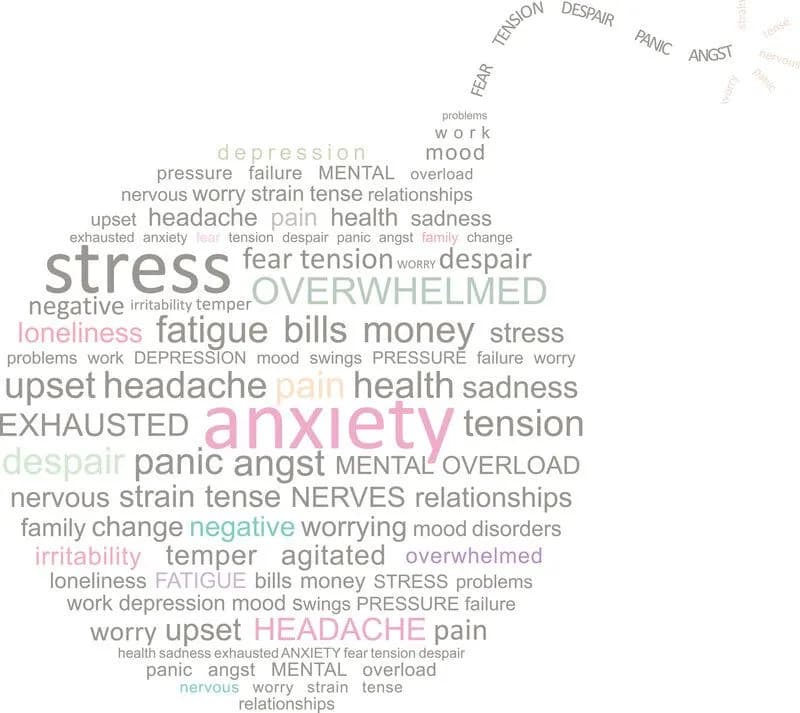
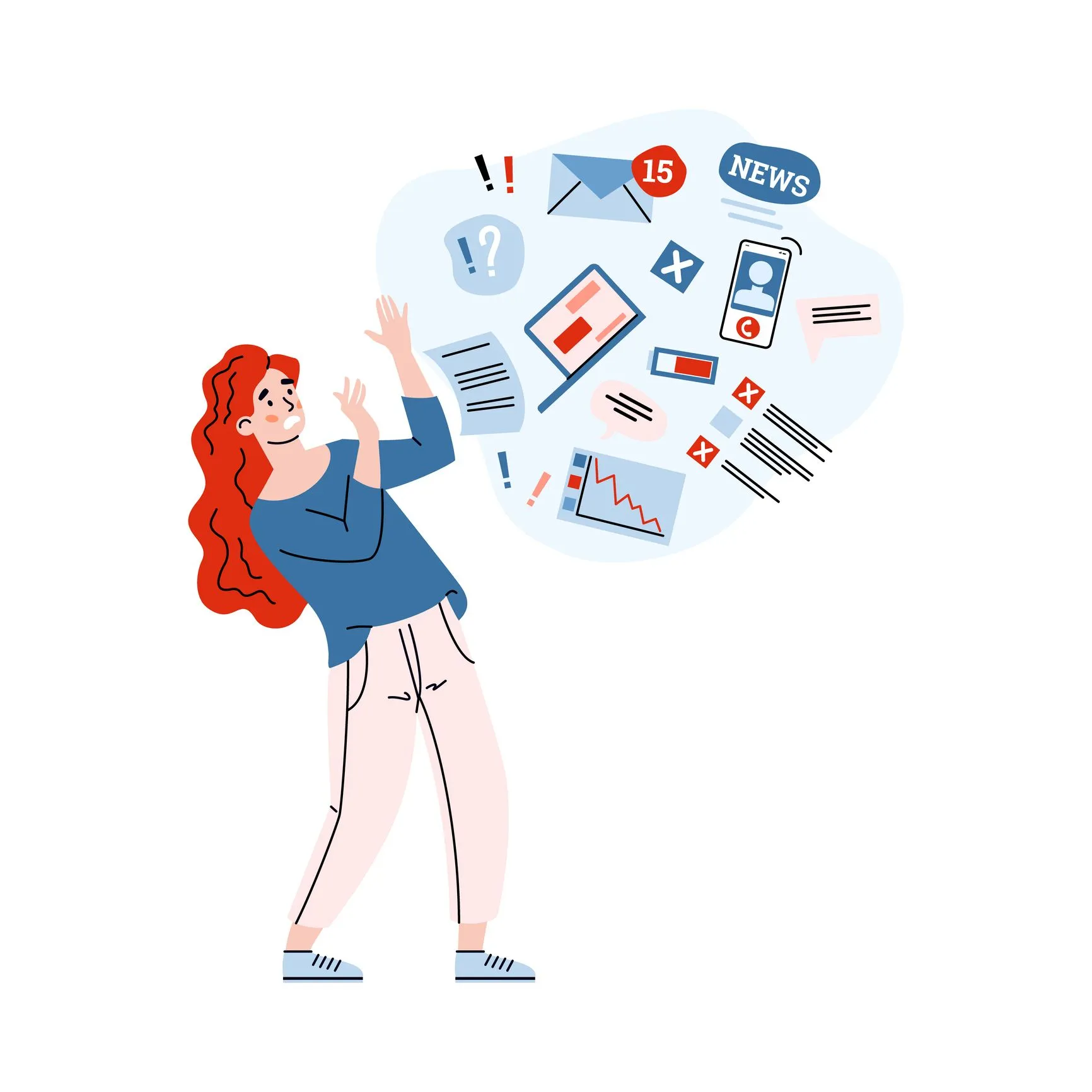
- New or worsening anxiety and feeling overwhelmed
- Irritability and sudden mood swings
- Depressive symptoms or loss of joy
- Short-term memory lapses and word-finding trouble
- Difficulty concentrating, or “brain fog”
- Night sweats and broken sleep that make everything harder
- Irregular periods and hot flashes
- Feeling unlike yourself
Cognitive changes
Memory
Many women report trouble with short-term memory and focus, made worse by the sleep disruption that's so common in this stage.
Concentration
Fluctuating estrogen affects cognitive function, so tasks that were easy can suddenly take more effort.
Brain fog
Feelings of confusion and difficulty processing thoughts. It's an expected part of the transition, not a sign that something is wrong with you.
Mood and anxiety changes
Increased anxiety
Hormonal shifts can heighten anxiety, leaving you more overwhelmed by day-to-day life. Some women have their first panic attacks in this stage.
Mood swings
Fluctuating hormones can cause emotional instability, irritability or sudden changes in mood.
Depression
Some women experience depression, which can be intensified by life changes, physical health issues or a prior history of depression.
Where hormones fit
A second look at the Women's Health Initiative study, the 2002 trial that led to a sharp decline in hormone therapy, has produced a much more nuanced understanding. Experts now recognize that hormone therapy, including bioidentical estradiol and progesterone, may be safe and effective for many women, and it can ease the hot flashes, sleep disruption and mood and cognitive changes that come with this transition.
I'm excited about this re-emergence of hormonal treatment, and I'll talk with you about whether it might be part of your plan, coordinating with your gynecologist or a Menopause Society certified practitioner. Alongside that, I treat the anxiety, depression and cognitive symptoms directly with therapy and, when helpful, medication.
Physical changes
Perimenopause can also bring irregular periods, hot flashes, night sweats, weight and body composition changes, bone density loss, changes in skin and hair, and genitourinary syndrome of menopause (GSM), which affects vaginal, urinary and sexual health. These changes affect how you feel emotionally, so they're part of our conversation too.
Bioidentical hormone replacement restores quality of life for women who have been impacted by dramatic increases in anxiety, mood changes, and cognitive changes.
 Denise Owen-FabriciusMSN, APN, PMHNP-BC