The good news: anxiety is one of the most treatable conditions there is. Pairing therapy with medication, when it's needed, can help you feel better faster.
Anxiety symptoms checklist
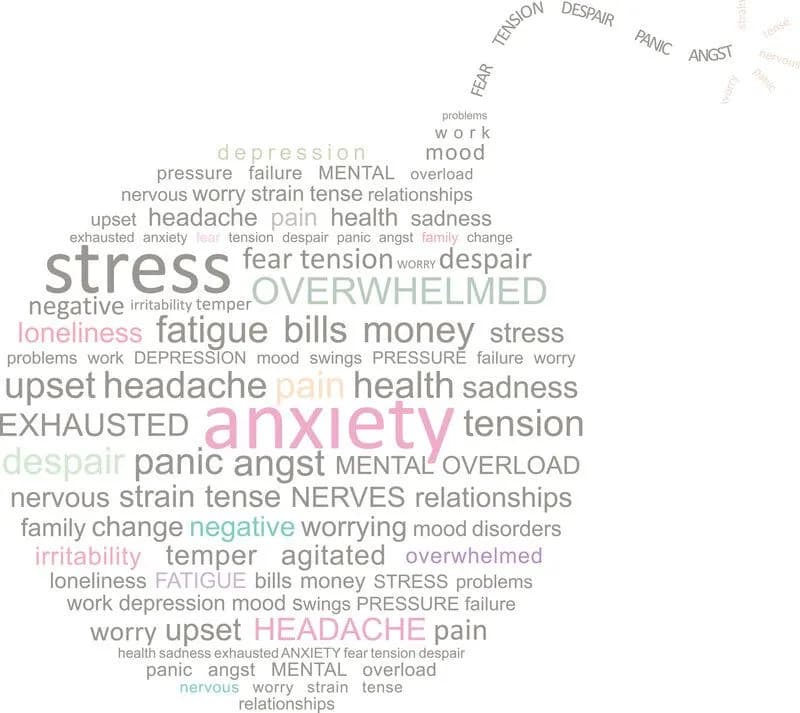
- Excessive worry that's hard to control
- Restlessness or feeling on edge
- Fatigue
- Difficulty concentrating
- Irritable mood
- Panic attacks
- Avoiding social situations
- Unwanted, intrusive thoughts or compulsions
Types of anxiety disorders I treat
Generalized Anxiety Disorder (GAD)
Like an annoying little voice that nags you about everything, from work deadlines to relationships, often when there's no logical reason to worry. It's persistent, often daily for six months or longer.
Panic Disorder
Recurrent, sudden episodes of intense fear with a racing heart, shortness of breath and a sense of impending doom, often leading to avoidance of places where an attack might happen.
Social Anxiety Disorder
An overwhelming fear of social situations and being judged. Everyday nerves are normal; with social anxiety, these fears become debilitating.
Specific Phobias
Intense fear of particular objects or situations like heights, spiders or flying. Effective treatment can significantly improve quality of life.
Obsessive-Compulsive Disorder (OCD)
Persistent, unwanted thoughts and repetitive behaviors aimed at reducing anxiety. CBT with exposure and response prevention is a core treatment.
Post-Traumatic Stress Disorder (PTSD)
Flashbacks, nightmares, heightened anxiety or emotional numbness after a traumatic event. Trauma-focused therapy and medication both help.
Causes and risk factors
Anxiety disorders stem from a mix of genetic, environmental and psychological factors. A family history of anxiety or past traumas can increase susceptibility. Hormonal transitions such as perimenopause can also bring on new or worsening anxiety.
How anxiety is treated
Cognitive Behavioral Therapy is a widely accepted approach that helps you change the thought patterns and behaviors that keep anxiety going. When medication is warranted, the standard of care today is an SSRI or SNRI. Benzodiazepines such as Xanax provide quick relief but are generally only used short-term because of the risk of dependence.
Self-help strategies such as deep breathing, journaling and mindfulness, plus good sleep and movement, can make a real difference alongside treatment. Living with anxiety can be challenging, but you are not alone.